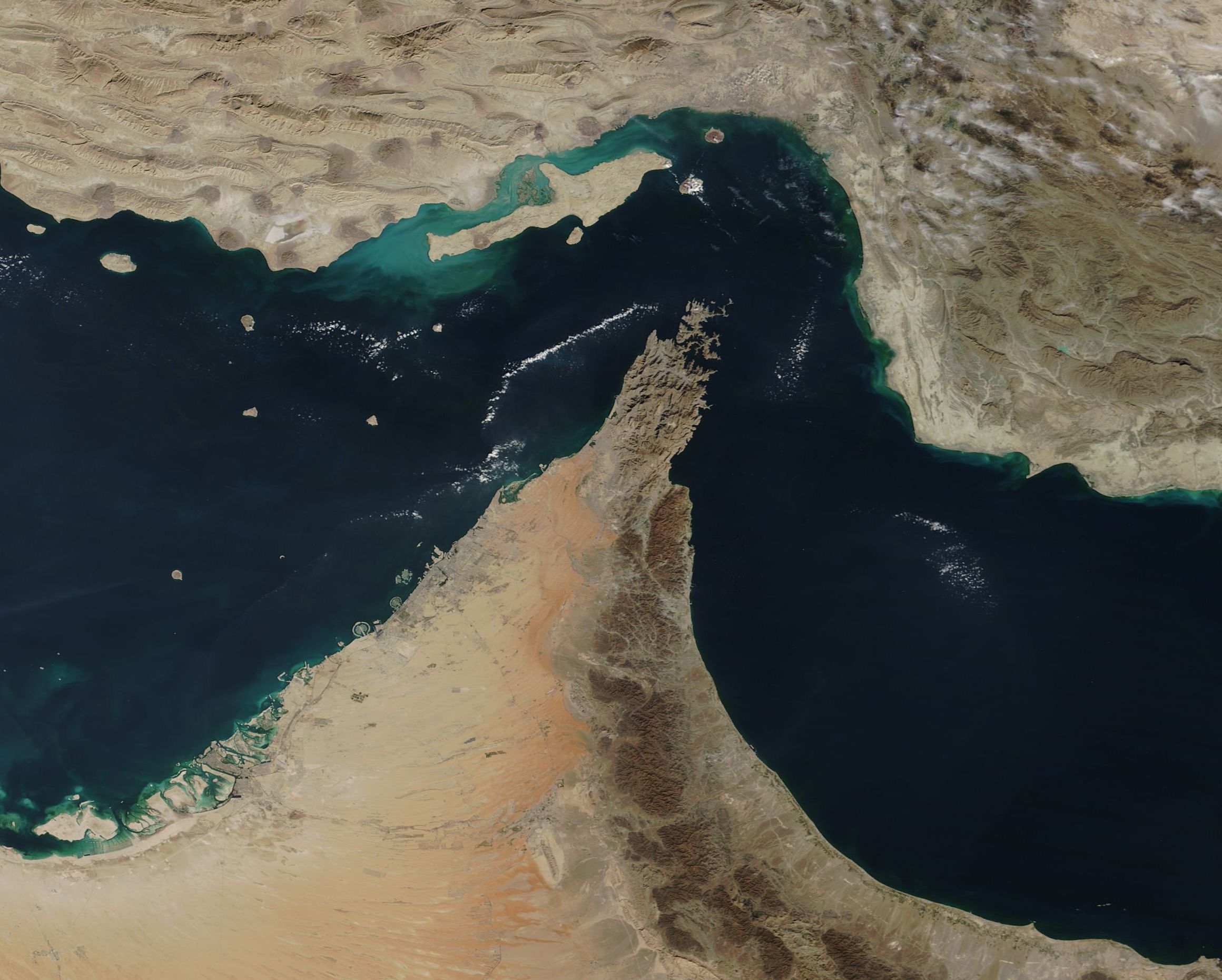
Key facts
- At least seven killed in US strikes on Iranian Army base
- US reimposed blockade on Iran; Iran threatens more seaway closures
- Trump threatens to hit Iran power plants and bridges next week if no deal
- Iran declared Hormuz closed until end of 'America's evils'
- Iran used data roaming and ad tech to covertly track US troops in Gulf
The US-Iran conflict has entered a dangerous new phase, with American forces relaunching a blockade of Iran and conducting fresh strikes that killed at least seven people at an Iranian Army base. Iran's Islamic Revolutionary Guard Corps claimed it struck US military sites in the Gulf in retaliation, as the two sides exchanged blows across one of the world's most strategically vital waterways.
President Donald Trump has dramatically raised the stakes, threatening to hit Iranian power plants and bridges as early as next week if Tehran does not agree to a deal. Iran has responded with equal defiance — officials declared that the Strait of Hormuz will remain closed until what they described as 'America's evils' come to an end, and Tehran warned of plans to block additional vital seaways beyond Hormuz.
The US reimposed its Hormuz blockade and, in a significant concession on economic pressure, Trump withdrew a planned 20% levy on ships transiting the strait. The military confrontation has unfolded alongside a broader cyber and intelligence dimension, with reports emerging that Iran used mobile data roaming networks and advertising technology to covertly track US military personnel across the Middle East.
For India, the stakes could hardly be higher. The Strait of Hormuz is the passage for a large share of the country's crude oil imports, and any prolonged closure or disruption risks sending oil prices sharply higher. New Delhi is watching the situation with acute concern, even as the conflict claims civilian lives — including, heartbreakingly, at least one Indian seafarer whose last message to his family said his ship had safely crossed before a strike killed him.