Key facts
- Trump withdrew planned 20% levy on Hormuz cargo ships
- Pivot to trade deals with Gulf countries announced instead
- US simultaneously preparing to resume blockade of Iranian ports
- Hormuz is a critical artery for India's oil imports
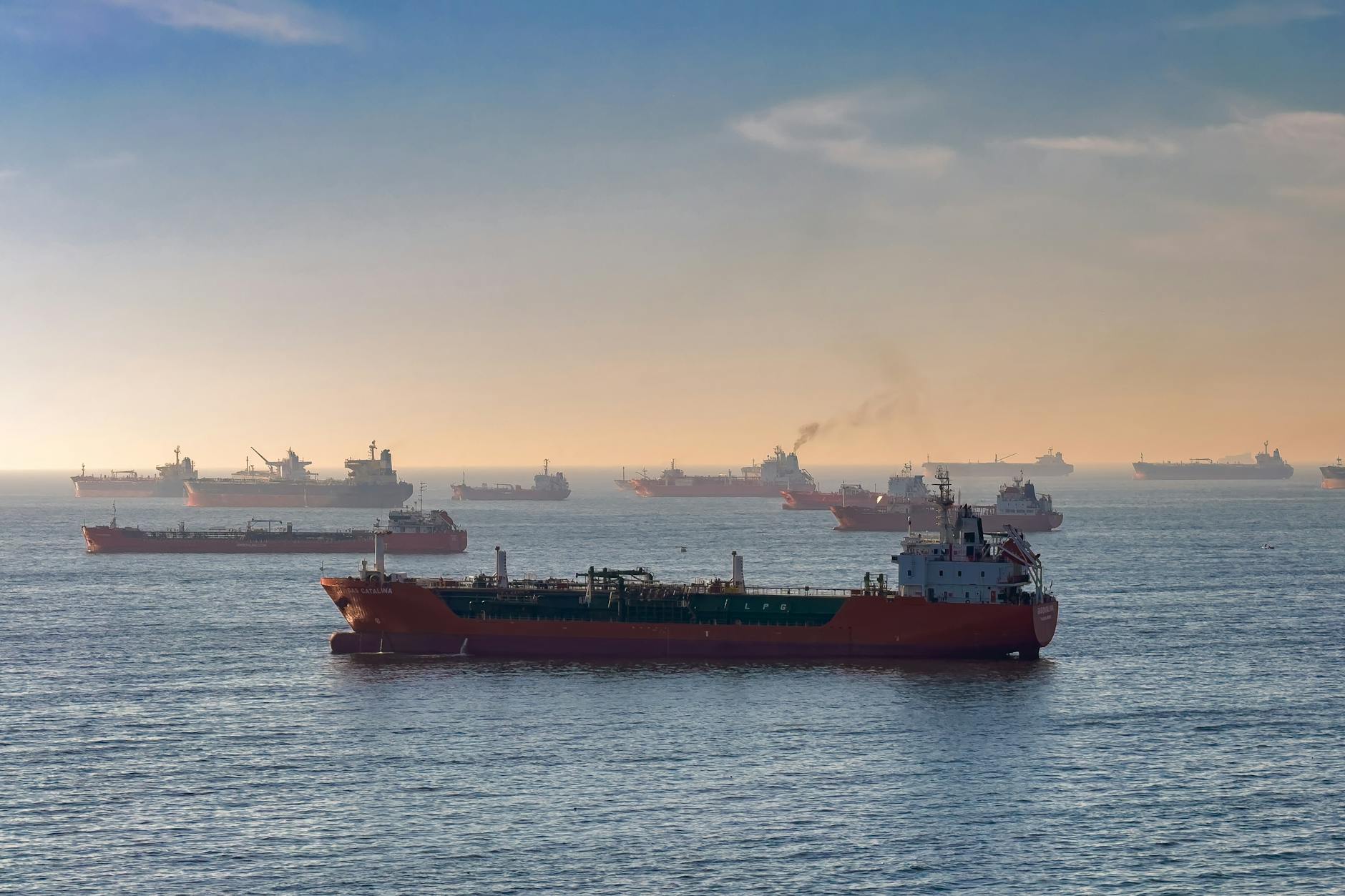
Donald Trump has scrapped his threat to impose a 20% fee on cargo ships transiting the Strait of Hormuz, pivoting instead to calls for trade agreements with Gulf states, as reported by The Hindu and BBC. The reversal ends — for now — what had been dubbed a 'guardian fee' that would have added significant costs to vessels using one of the world's busiest and most critical waterways.
The withdrawal came even as the US was reportedly preparing to resume a blockade of Iranian ports, signalling that Washington's pressure campaign against Tehran would continue through military and naval means rather than a shipping surcharge. The dual-track approach reflects the complexity of the US position: maintaining aggressive posture toward Iran while avoiding measures that would antagonise Gulf allies and raise global energy costs.
For India, the scrapping of the Hormuz levy is a modest relief. A 20% fee on ship cargo transiting the strait would have substantially inflated the cost of India's Gulf oil imports, feeding through into domestic fuel prices. Indian shipping companies and oil importers had been closely watching the proposal.
The broader situation, however, remains extremely volatile. With US airstrikes ongoing, Iran threatening the Red Sea, and oil prices already at a one-month high, the removal of the shipping fee is a small step back from economic escalation against a backdrop of intensifying military confrontation.