Key facts
- Maritime group confirms Strait of Hormuz is open despite Iran's claim
- US military pledges to ensure freedom of navigation
- Trump publicly asserted Hormuz open to commercial ships
- Iran had declared the strait closed amid US-Iran conflict
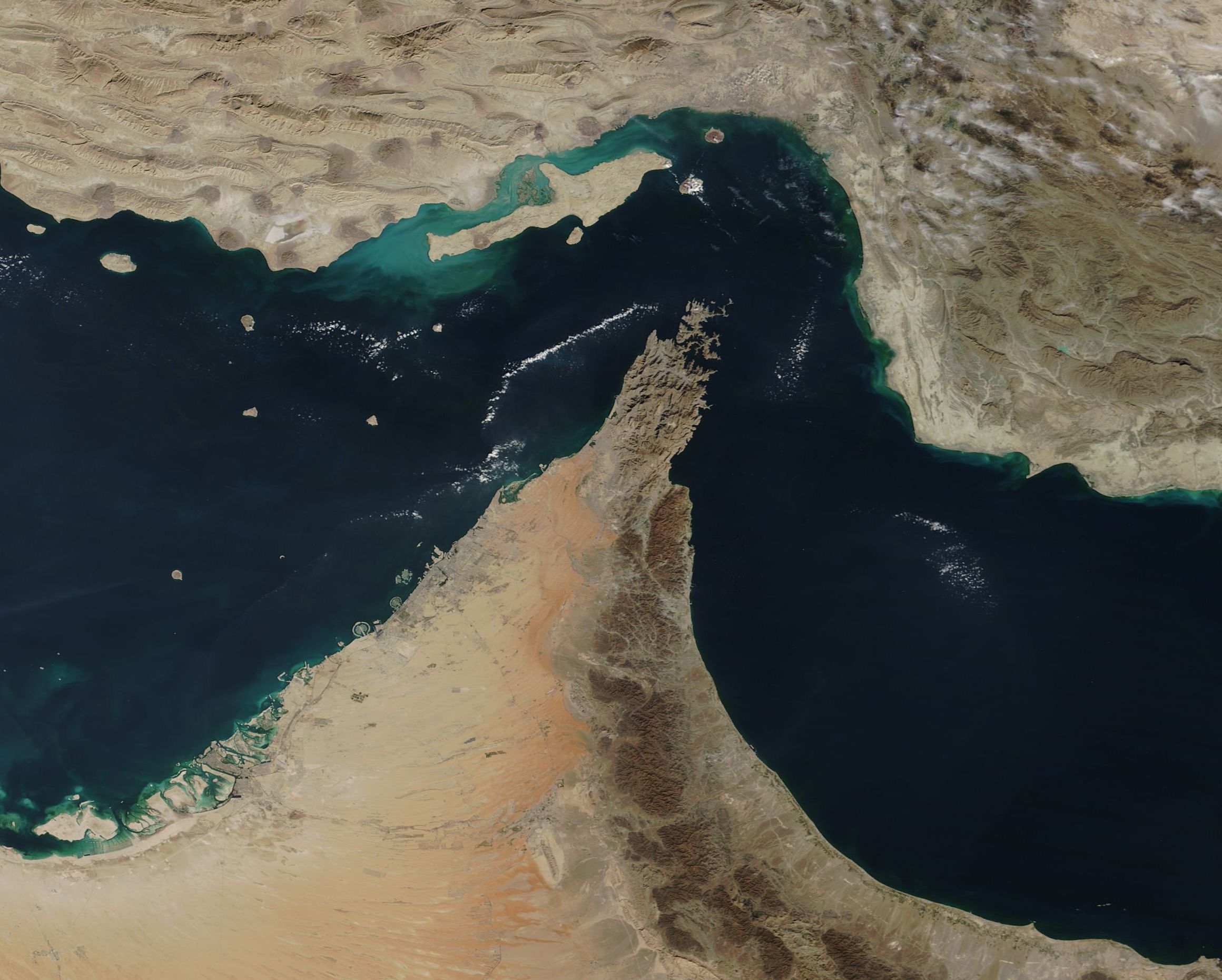
The Strait of Hormuz remained open to commercial shipping despite Iran's declaration to the contrary, a maritime group confirmed on Saturday, with the United States backing that assessment and pledging its military would guarantee freedom of navigation through the critical waterway.
Iran's claim that it had closed the Hormuz Strait — a chokepoint through which a substantial share of the world's oil supply passes — sent immediate alarm through energy markets. The swift rebuttal from both a maritime monitoring body and the US government helped contain an immediate price spike, but the episode illustrated how rapidly the situation could tip into genuine supply disruption.
President Trump, in public remarks, asserted that Hormuz was open to commercial vessels, in what appeared to be a deliberate effort to prevent panic buying and market volatility. The US military's statement that it was ready to ensure navigation rights added a direct military dimension to what had initially appeared to be a rhetorical Iranian move.
For India, the stakes of this dispute could hardly be higher. The country imports a large proportion of its crude oil through Gulf shipping lanes, and even a brief, partial closure of Hormuz would translate swiftly into higher petrol, diesel and LPG prices for ordinary consumers. Indian diplomats in the Gulf are believed to be monitoring the situation closely as the standoff between Washington and Tehran shows no signs of a near-term resolution.