Key facts
- Government signals policy push for sustainable textile production
- Sector is a major employer and export earner, but carries heavy environmental footprint
- Global buyers increasingly demanding sustainable supply chains from Indian exporters
India is laying the groundwork for a more sustainable textile industry, with the government signalling a policy direction that seeks to balance the sector's massive economic role with urgent environmental imperatives. The initiative, communicated through PIB, reflects growing recognition that the textile industry's traditional production model — resource-heavy, waste-intensive and often polluting — needs structural reform.
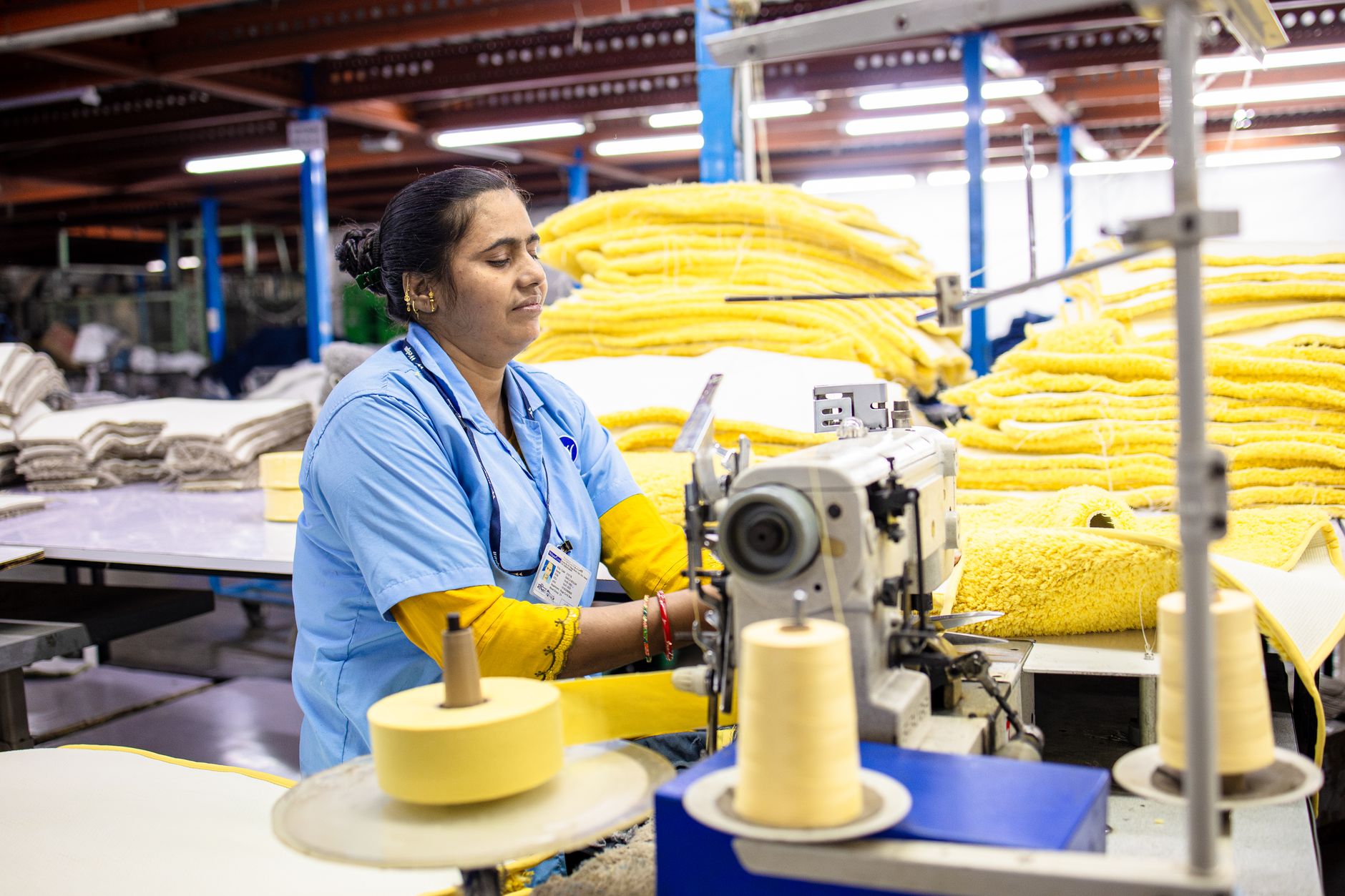
The textile sector is one of India's most important economic pillars, providing livelihoods to tens of millions of people, particularly women in rural and semi-urban areas, and contributing significantly to the country's merchandise export earnings. But it also carries one of the heaviest environmental footprints of any industrial sector globally, consuming vast quantities of water, using chemical-intensive dyeing processes and generating significant solid waste.
International pressure is adding urgency to the transition. European and American buyers are increasingly embedding sustainability requirements into their procurement standards, meaning Indian exporters who cannot demonstrate responsible practices risk losing contracts to competitors. Certifications around organic cotton, recycled fibres and clean production are no longer niche demands but mainstream expectations in key export markets.
For India's textile future, the challenge is ensuring that the sustainability transition does not come at the cost of the sector's competitiveness or, more critically, the jobs it supports. Getting the policy architecture right — incentivising clean technology adoption while supporting workers through the transition — will determine whether India's textile industry emerges stronger or more fragmented from the green shift.