Key facts
- Three tankers hit by projectiles in Strait of Hormuz, UKMTO confirms
- No casualties reported in the attacks
- Oil prices rose following reports of Iranian involvement
- Hormuz is a chokepoint for roughly a fifth of world oil supply
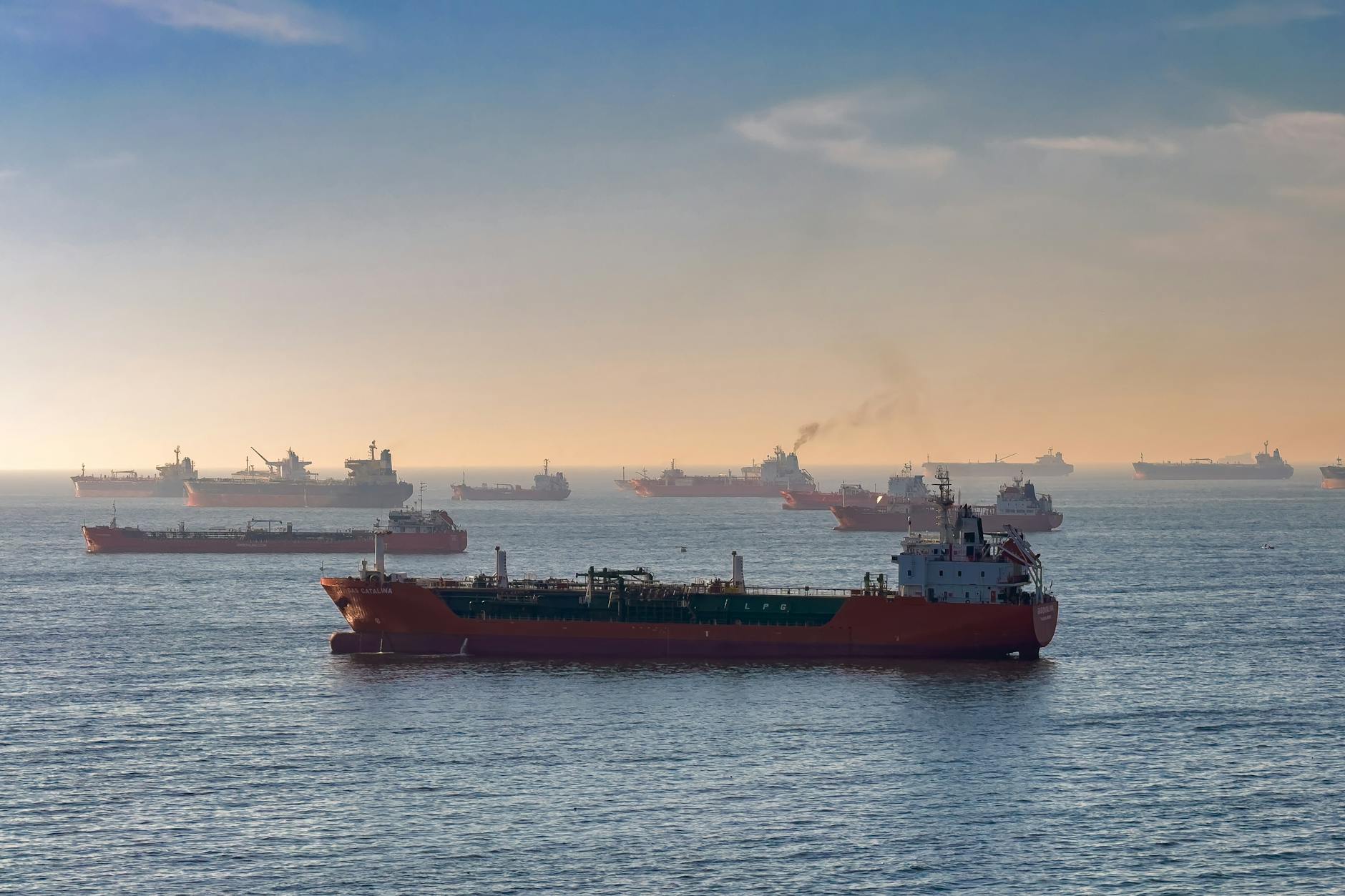
Three commercial tankers were struck by unidentified projectiles in the Strait of Hormuz, the United Kingdom Maritime Trade Operations confirmed, in the latest escalation of attacks on shipping in one of the world's most vital energy corridors. No casualties were reported in the strikes, though the incidents sent an immediate jolt through global oil markets.
Oil prices rose following reports of Iranian involvement in the attacks on the commercial ships. The Strait of Hormuz, a narrow waterway between Iran and Oman, is the single most important chokepoint for global energy trade — roughly a fifth of the world's oil supply passes through it. Any sustained interference with shipping there carries immediate consequences for global fuel prices.
The attacks fit a pattern of escalating naval and maritime hostilities in the Persian Gulf and surrounding waters that have intensified in the context of broader West Asian conflict. Previous incidents have involved drone attacks, limpet mines, and projectile strikes on vessels linked to various national flags and commercial interests. The identity of the perpetrators in this latest round was not confirmed in initial reports.
For India, the developments are closely watched. India is one of the world's largest crude oil importers, and a significant portion of its supplies transits through the Strait of Hormuz. Rising oil prices feed directly into domestic fuel costs, inflation, and the current account balance. Indian naval and coast guard forces have also been active in the region in recent months as part of efforts to protect Indian-flagged and Indian-crewed vessels from maritime threats.