Key facts
- Trump visited Ankara and said he would lift sanctions on Türkiye
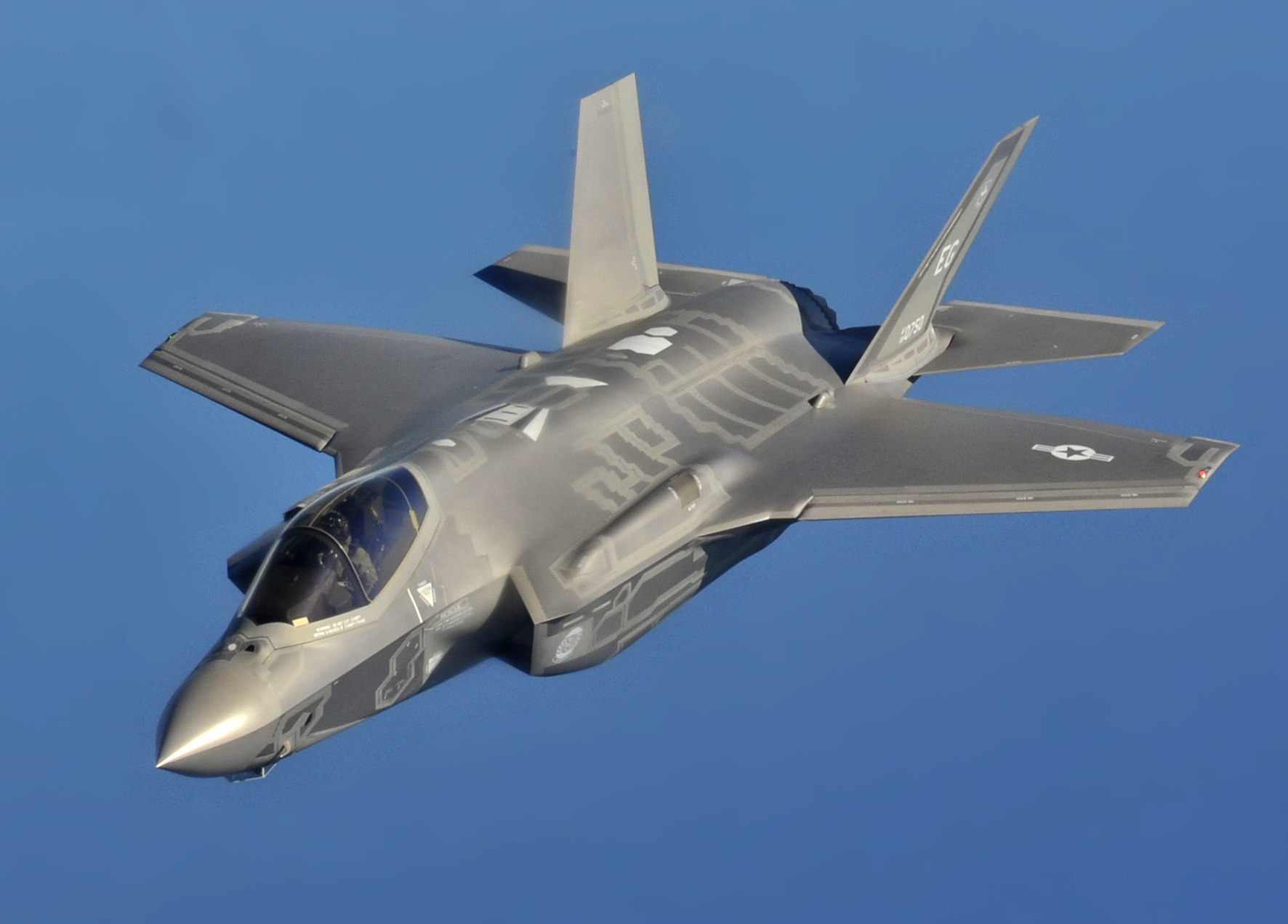
- Trump said he would 'consider' selling F-35 jets to Turkey
- Netanyahu told CNN he directly opposes the F-35 sale to Turkey
- Turkey was removed from the F-35 programme in 2019 over its purchase of Russian S-400 systems
Donald Trump's visit to Ankara has brought the long-simmering question of F-35 fighter jet sales to Turkey to the forefront of US foreign policy, with the American president signalling he would lift sanctions on Türkiye and is prepared to 'consider' the sale of the advanced stealth aircraft. The move represents a potential major reversal of a policy that has been in place since 2019, when Turkey was expelled from the F-35 programme after it purchased Russia's S-400 air defence system.
The announcement has drawn swift and unusually public opposition from Israel. Prime Minister Benjamin Netanyahu told CNN directly that he opposes the sale, citing security concerns. Israel, which operates the F-35 as a cornerstone of its air superiority in the region, is deeply wary of the jet's advanced capabilities falling into Turkish hands, particularly given the increasingly fraught state of Israeli-Turkish relations in recent years.
Trump's Ankara visit underscores his administration's transactional approach to NATO alliances and arms diplomacy, seeking to draw Turkey closer to the Western fold after years of drift toward Moscow and Beijing. Lifting sanctions and dangling F-35 access are significant incentives designed to reorient Turkish foreign policy, but the approach risks unsettling other key allies, most prominently Israel.
For India, the development carries indirect but real implications. Turkey maintains close defence and political ties with Pakistan, and the prospect of Ankara acquiring one of the world's most capable stealth fighters adds a new dimension to the region's military balance. Indian defence planners will be watching the outcome of Trump's Ankara diplomacy with close attention.