Key facts
- July typically delivers the heaviest rainfall of India's monsoon season
- Peak kharif sowing of rice, pulses, oilseeds and cotton occurs in July
- July rainfall directly influences food inflation and rural income
July is the single most consequential month of India's monsoon season, and what happens over the next four weeks could define the trajectory of the country's agricultural output, food prices, and rural economy well into 2026, analysts and economists have underscored.
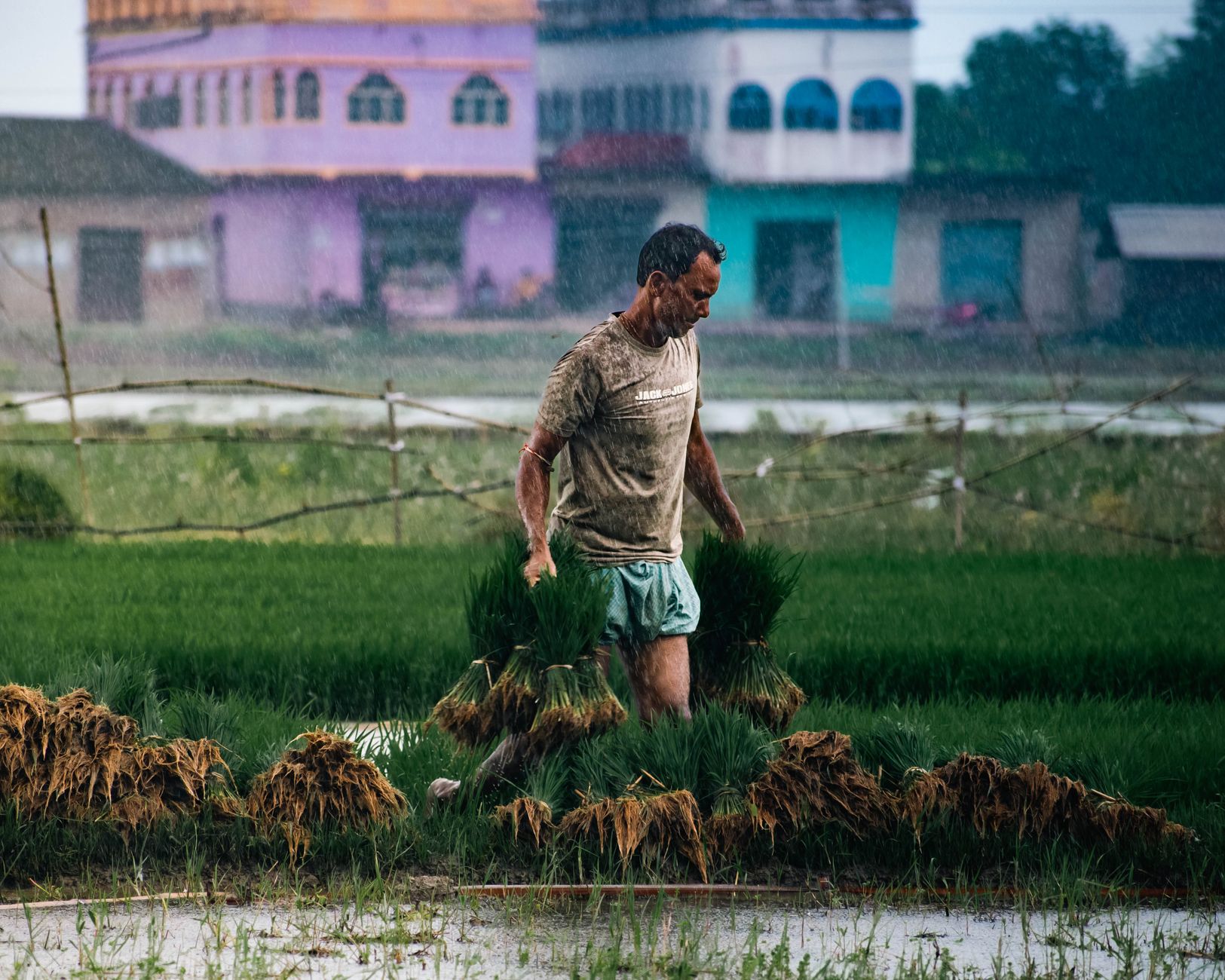
The month typically delivers the heaviest rainfall of the four-month monsoon season and coincides with peak kharif crop sowing. Farmers across India use July rains to plant rice, pulses, soybean, cotton, and other critical crops. A well-distributed July rainfall means healthy sowing numbers; deficient or erratic rain can delay planting, reduce yields, and push food prices higher.
The stakes extend beyond the farm. Rural incomes, which depend heavily on agricultural performance, drive consumer spending in smaller towns and villages — a key engine of domestic demand. When July rains disappoint, it tends to dent sentiment in the rural economy and can complicate the government's food management and inflation-control efforts.
The India Meteorological Department's forecasts and weekly rainfall data through July will be watched closely by the finance ministry, the Reserve Bank of India, and commodity markets. Policymakers are particularly alert this year given the broader context of food inflation remaining a concern for household budgets across the country.