Key facts
- Iran warned US and Israel against attacks during Khamenei funeral
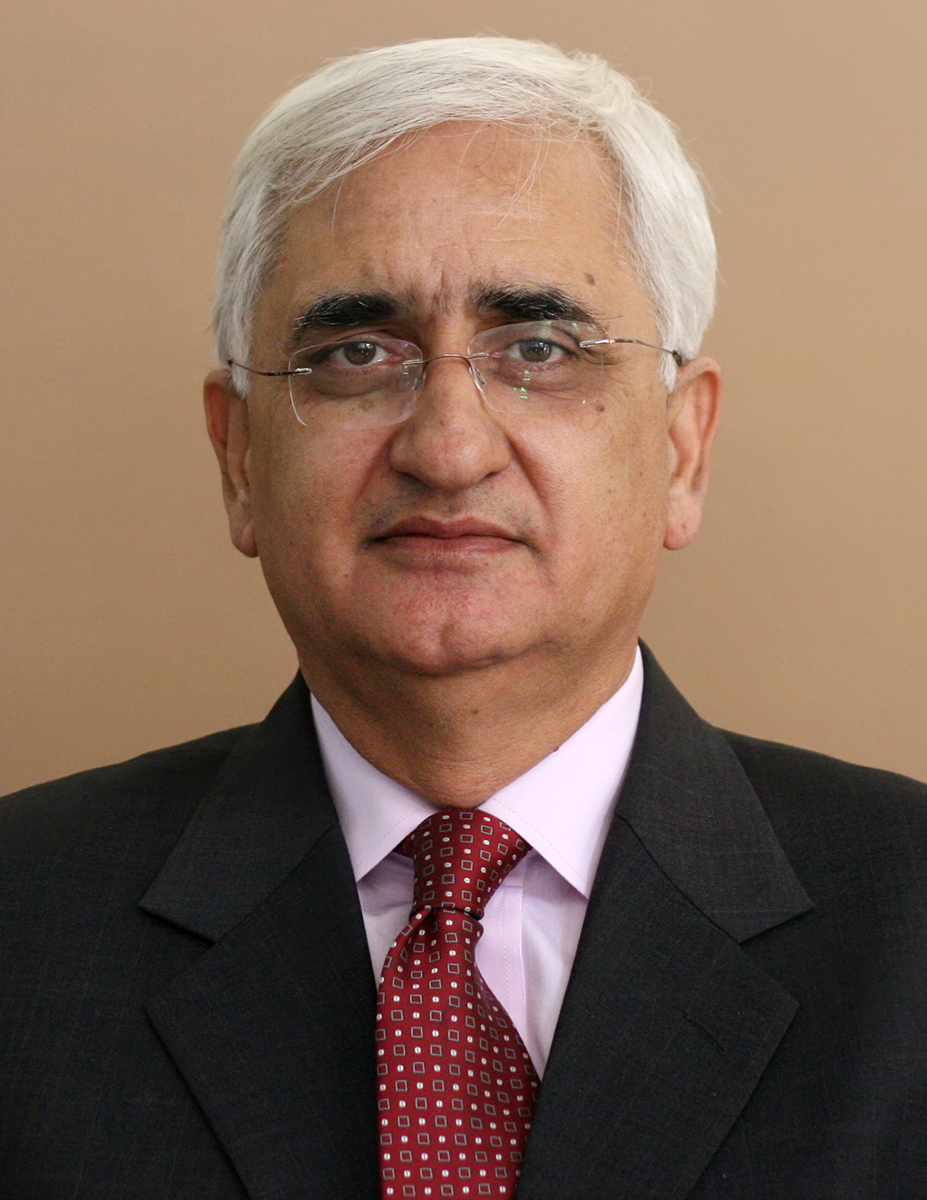
- Salman Khurshid confirmed to represent India at funeral
- US-Iran indirect talks in Doha showed 'positive progress' per Pakistan
- Qatar says talks to continue after funeral
Iran issued a pointed warning to the United States and Israel against launching any attacks during the funeral processions for Supreme Leader Ali Khamenei, signalling that Tehran remains on high alert even as it simultaneously engages in indirect diplomacy with Washington through mediators in Doha.
The warning reflects the tightrope Iran is walking — projecting military deterrence domestically while pursuing talks externally. Pakistan confirmed 'positive progress' in the US-Iran indirect negotiations held in Doha, and Qatar said the talks would continue even after the Khamenei funeral rites conclude. The convergence of a state funeral, live nuclear diplomacy, and explicit military threats makes the coming days in West Asia exceptionally volatile.
On the Indian diplomatic front, Congress leader Salman Khurshid confirmed that he will represent India at the funeral, a day after Tehran formally extended an invitation. 'I will represent Congress,' Khurshid said, indicating the attendance carries a party-level dimension as well as a national one. New Delhi has historically maintained careful, independent ties with Tehran, including through the Chabahar port agreement.
For India, the stakes of regional stability around Iran go beyond diplomacy. An India-bound oil tanker had recently come under gunfire near the Strait of Hormuz before safely reaching an Odisha port, illustrating that the conflict's risks to Indian energy supply chains are not theoretical. India's attendance at the funeral underscores the priority New Delhi places on keeping those channels of communication open.