Key facts
- India-bound oil tanker came under gunfire near the Strait of Hormuz
- Tanker survived the attack and reached an Odisha port
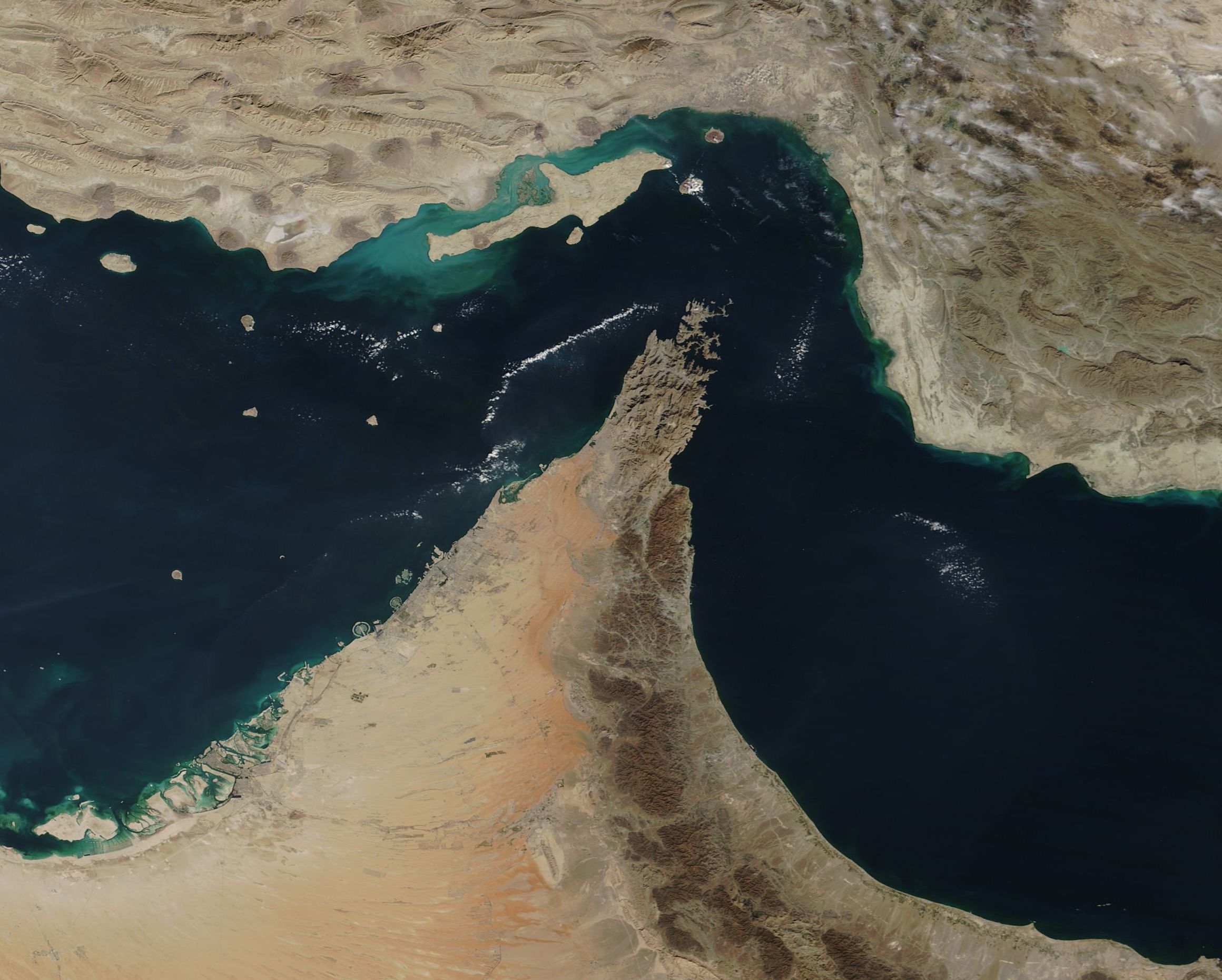
- Hormuz is a critical chokepoint for India's crude oil imports
An oil tanker destined for India survived gunfire near the Strait of Hormuz, the narrow waterway through which a large portion of global oil trade flows, before successfully docking at an Odisha port. The incident, reported on Saturday, adds a concrete, close-to-home dimension to the regional conflict that India has so far largely observed from the sidelines.
The Strait of Hormuz is the jugular vein of India's energy supply. India is among the world's largest crude oil importers, and a significant share of that oil moves through the Gulf. Any sustained campaign targeting tankers in the region risks supply disruptions, insurance cost spikes, and ultimately higher fuel prices for Indian consumers.
The tanker's survival and safe arrival at Odisha is a relief, but the attack itself is a warning. Regional shipping in West Asian waters has faced periodic threats during the ongoing conflict, and the frequency of such incidents has been a source of concern for major importing nations including India.
The episode reinforces arguments made by Indian and European envoys that the Middle East conflict 'vindicates' investment in alternative connectivity corridors such as the India-Middle East-Europe Economic Corridor — routes that could reduce, over the long term, India's dependence on a single maritime chokepoint as volatile as Hormuz.