Key facts
- US envoys arrived in Qatar for talks on a potential Iran deal
- Iran warned it is 'ready for war if dialogue fails'
- Trump said a US-Iran meeting would take place in Qatar; Tehran denied any imminent sit-down
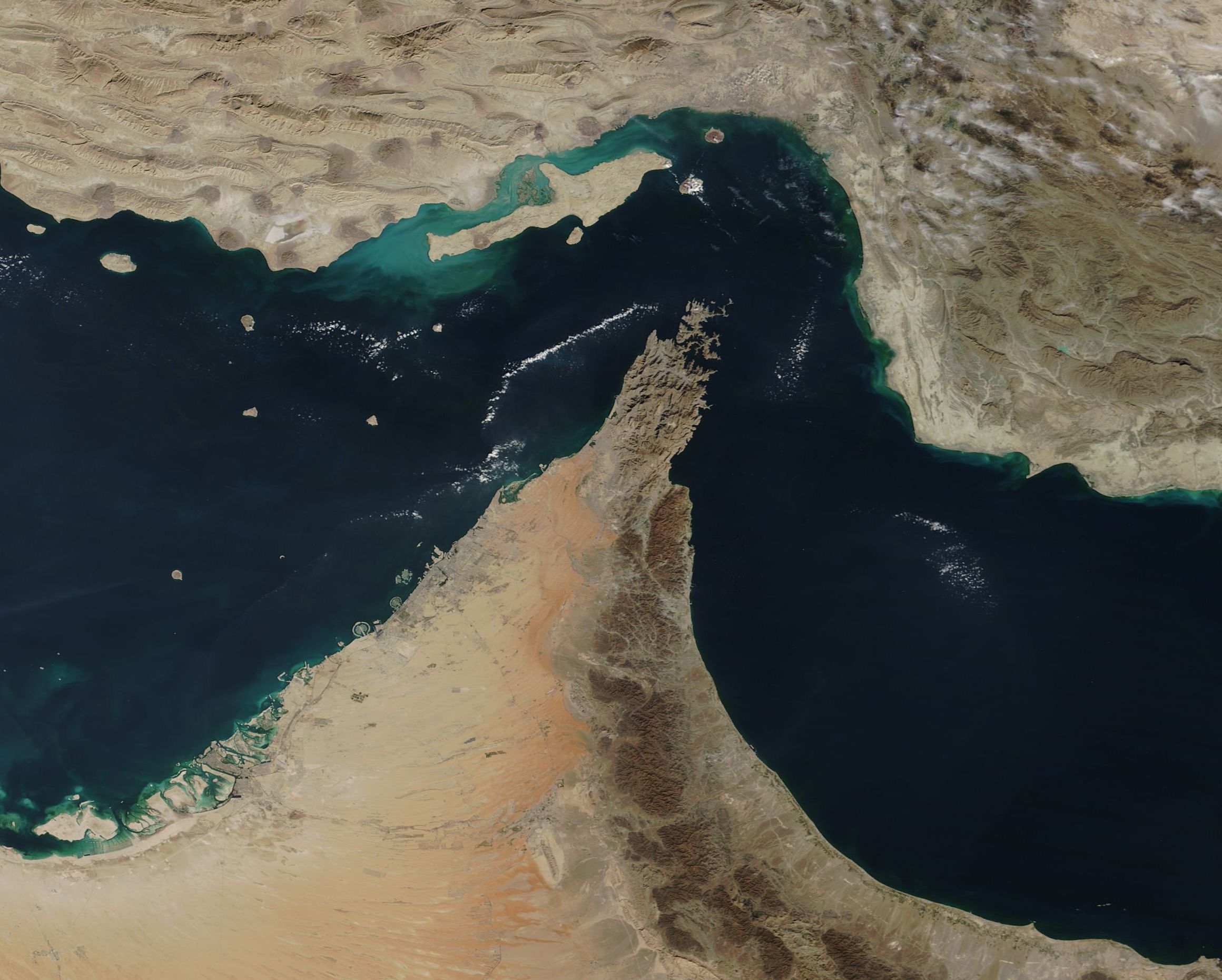
- Iran insisted foreign intervention in the Strait of Hormuz would 'only complicate issues'
American envoys landed in Qatar to pursue diplomatic engagement with Iran even as the two sides offered sharply conflicting accounts of what was actually on the table. President Donald Trump publicly stated that a US-Iran meeting would take place in Qatar, but Tehran denied any direct sit-down was imminent, clouding the prospects for a breakthrough deal.
Iran's posture heading into the talks was deliberately combative. Senior Iranian officials warned that the country was 'ready for war if dialogue fails', while also insisting that any foreign intervention in the Strait of Hormuz would 'only complicate issues'. Tehran simultaneously pushed back against what it called third-party interference in the waterway, amid reports that Iran was competing with Oman over decision-making authority over the strait.
The Strait of Hormuz is one of the world's most critical oil transit chokepoints, and any military escalation there would send shockwaves through global energy markets. For India, which depends heavily on oil imports from the Gulf, the stakes of a failed diplomatic process are particularly acute.
The contradictions between Washington and Tehran over the basic facts of the Qatar engagement underscore how fragile the diplomatic track remains. Analysts note that while both sides appear to prefer a negotiated outcome to open conflict, the gap between their stated positions remains wide — and Iran's deliberate public warnings suggest it sees maintaining a credible threat of war as part of its negotiating leverage.