Key facts
- At least 188 people killed in Venezuela earthquake
- Described as a rare 'doublet earthquake' by scientists
- US, Cuba, and Iran joined international rescue efforts
- Google earthquake alerts warned millions before shaking began
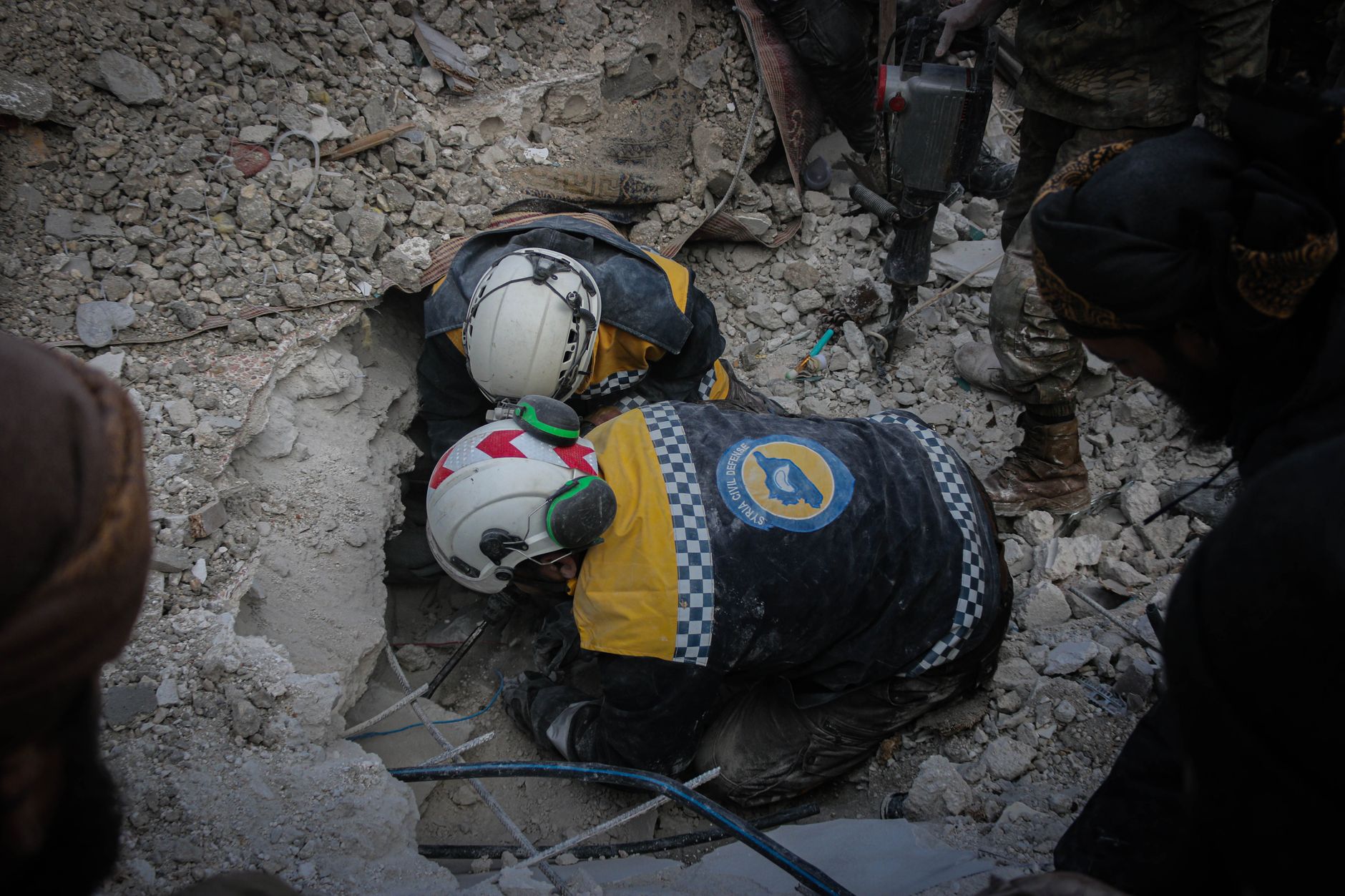
At least 188 people are dead in Venezuela after a powerful earthquake struck the country, with rescue operations intensifying as teams from the US, Cuba, and Iran joined local efforts to pull survivors from collapsed structures. The seismic event has been described by scientists as a 'doublet earthquake' — a rare phenomenon involving two large quakes in rapid succession that dramatically amplifies destruction.
Among the notable dimensions of the disaster was Google's earthquake early-warning system, which reportedly alerted millions of people via their Android smartphones moments before the shaking began. The intervention has drawn widespread attention to the potential of mass-notification technology in disaster response, with questions now being asked about whether phone-based alerts can — and should — become a universal standard.
The scale of international response reflects the severity of the disaster. Search-and-rescue teams have been working through collapsed buildings, and the Venezuelan government has declared an emergency as affected communities struggle with power cuts and infrastructure damage. Al Jazeera reported that rescue efforts were intensifying, with the death toll expected to rise further.
For India, which sits atop multiple seismic fault lines and has a vast Android user base, the Venezuela tragedy and Google's alert system raise pointed questions about disaster preparedness. The Himalayan belt and the Andaman islands are among the country's most vulnerable zones, and technology-based early warning networks remain underdeveloped at scale. The Venezuela earthquake is likely to sharpen that conversation.