Key facts
- Iran proposes $40 billion plan to charge ships in Hormuz
- Hormuz is a critical chokepoint for global oil and gas trade
- Proposal comes amid ongoing US-Iran diplomatic tensions
Iran has put forward a $40 billion plan to charge ships for passage through the Strait of Hormuz, NDTV reported Wednesday afternoon, a proposal that could dramatically reshape the economics of global energy shipping if ever implemented.
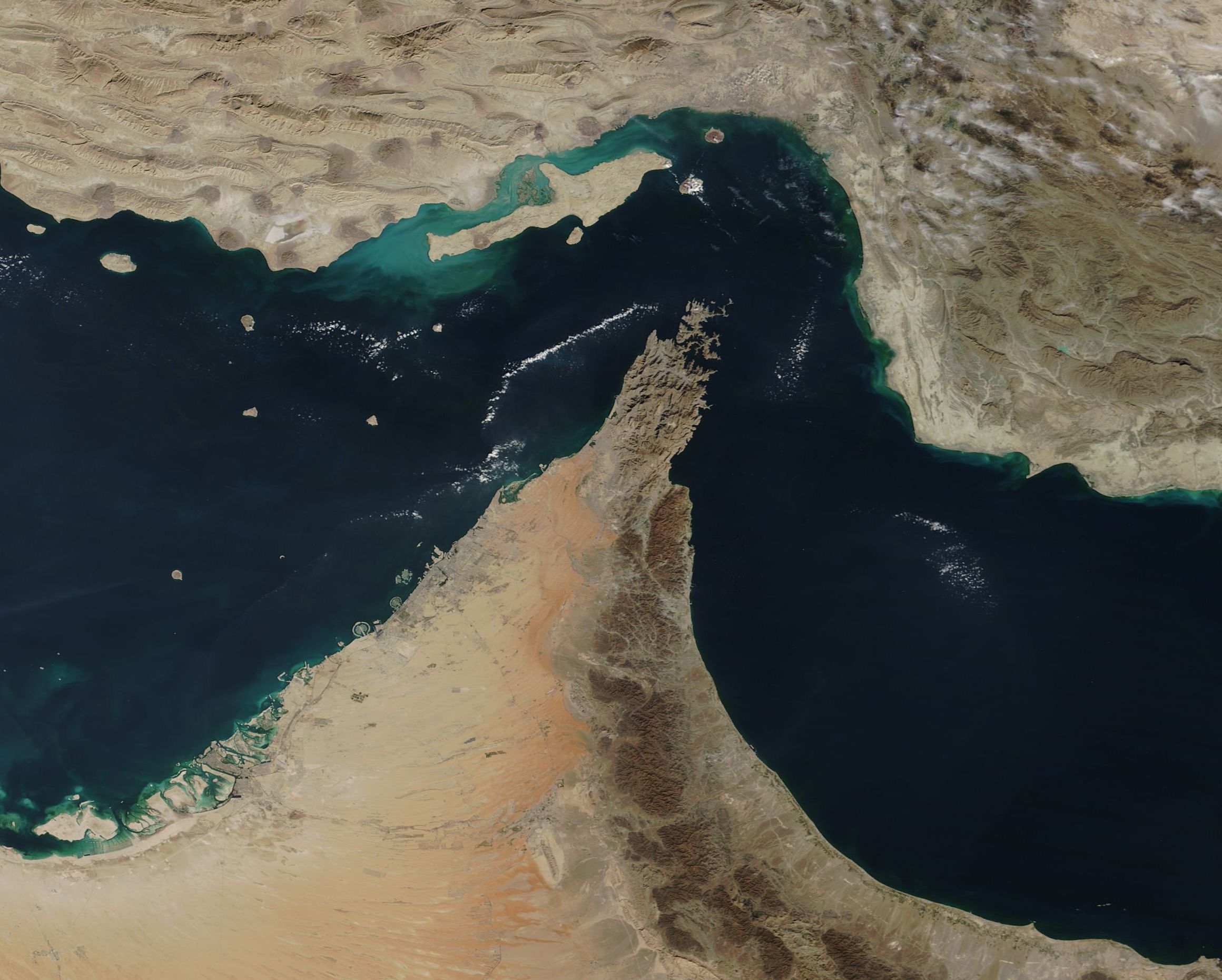
The Strait of Hormuz is one of the world's most critical maritime chokepoints, through which a large proportion of global seaborne oil and gas exports pass daily. Any toll or fee regime imposed there would effectively add a new cost layer to energy trade, with consequences for oil importers — including India, which depends heavily on Middle Eastern crude — as well as for global shipping companies and consumers.
The proposal arrives at a sensitive moment, with US-Iran negotiations over Tehran's nuclear programme ongoing and questions swirling about the future of sanctions on Iranian energy exports. Some analysts may read the Hormuz plan as a negotiating signal or a show of leverage by Tehran, rather than an immediately operational policy.
Nevertheless, the sheer scale of the proposed plan — $40 billion — and its targeting of a chokepoint that underpins global energy security will ensure it draws serious attention from major oil importers, maritime insurers and international shipping bodies. India, as one of the world's largest crude importers and a country with significant strategic interests in Gulf stability, will be watching closely.