Key facts
- Israel: troop withdrawal from Lebanon only after Hezbollah disarmed
- Rubio: zero GCC support for Iran's Strait of Hormuz toll plan
- US Energy Secretary says Iran's ability to close Hormuz has been ended
- UN/IMO announce evacuation plan for stranded Hormuz seafarers
Israel declared on Wednesday that it would not pull its troops out of Lebanon until Hezbollah has been fully disarmed, a firm stance that signals the conflict in West Asia is far from resolution despite ongoing international pressure for a ceasefire and de-escalation.
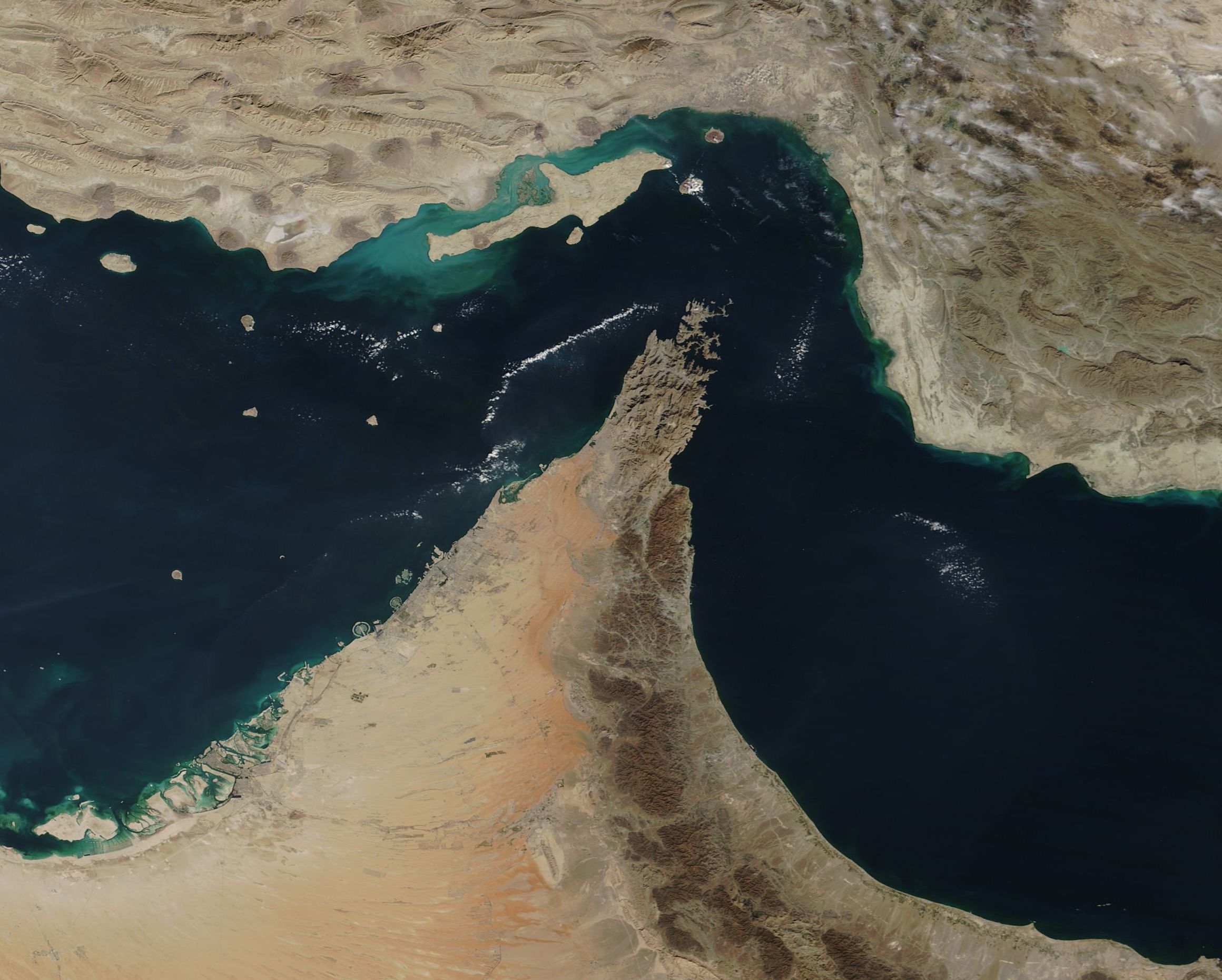
The announcement came as the broader regional picture remained volatile. US Secretary of State Marco Rubio confirmed that Gulf Cooperation Council member states had offered no support whatsoever for Iran's threats to impose a toll on ships transiting the Strait of Hormuz — a move that would have had sweeping consequences for global energy trade. The US Energy Secretary went further, stating that the United States has effectively ended Iran's ability to close the strait entirely.
The Strait of Hormuz is one of the world's most critical energy chokepoints, and any disruption to traffic through it carries immediate implications for global oil prices. For India, which relies heavily on energy imports from the Gulf, the stability of the waterway is not an abstract geopolitical concern — it is a direct economic one. Reports have already detailed the logistical challenges that even a prolonged partial closure would create for shipping.
The United Nations and the International Maritime Organization separately announced plans for evacuating seafarers stranded in the region, reflecting the human toll of the standoff on maritime workers caught in contested waters.
With Israel holding firm on its Lebanon position and Iran's Hormuz ambitions apparently checked, the region remains in a precarious equilibrium — one that diplomats and energy markets are watching with acute attention.