Key facts
- India dominates Basmati rice exports to the Middle East
- Hormuz closure has slowed shipping on India's key Gulf export route
- Pakistan is a rival Basmati exporter that could benefit from disruption
- Tehran warned Hormuz will never return to its pre-war state
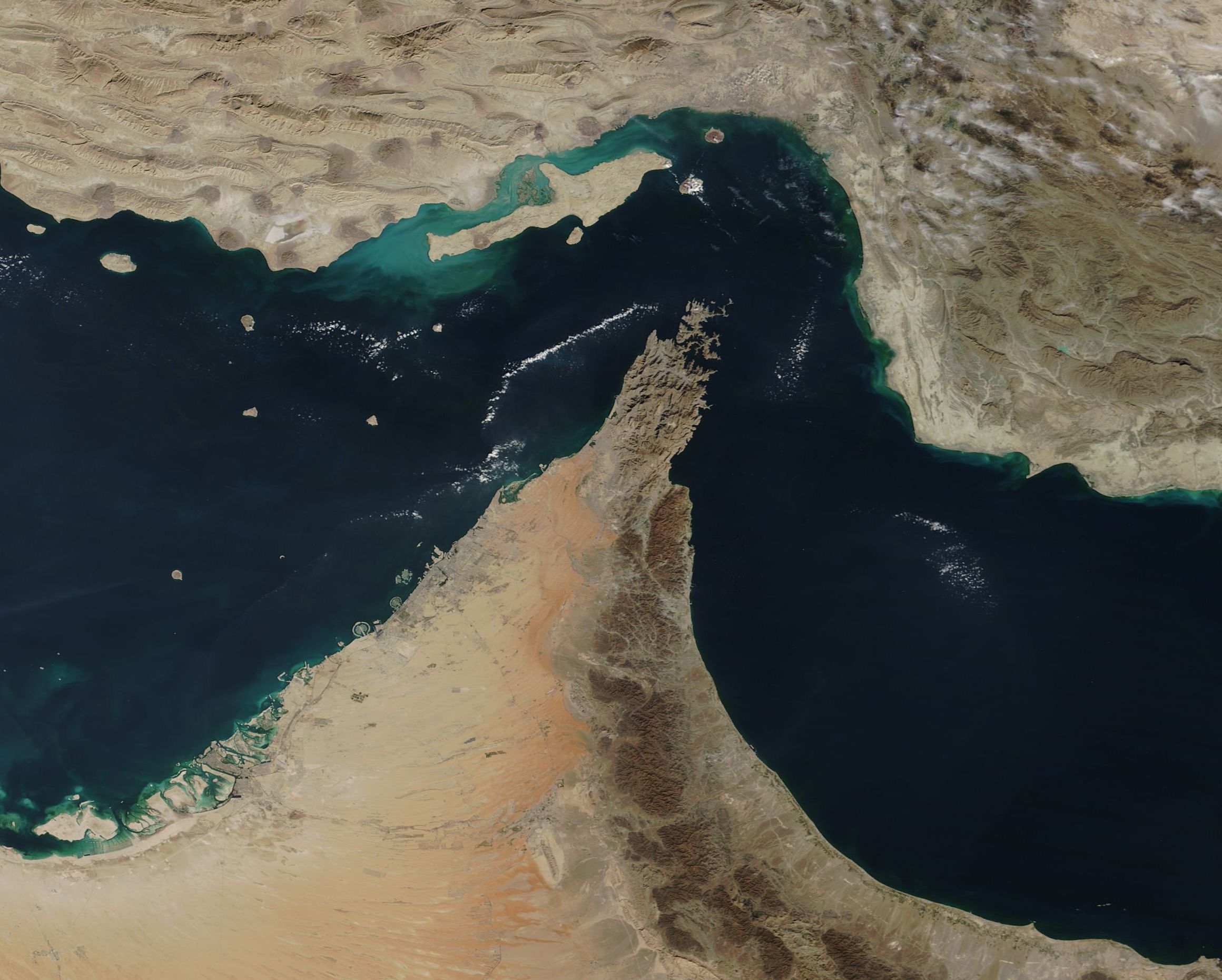
India's prized Basmati rice trade with the Middle East — built over decades and worth billions of dollars annually — is facing an unexpected geopolitical test as the Strait of Hormuz remains in a state of flux following Iran's closure of the vital shipping lane.
With Hormuz disrupted, India Today raises a pointed question: could Pakistan use this moment to chip away at India's dominant share of the Basmati market in Gulf countries? Pakistan also produces and exports Basmati, and any sustained disruption to Indian shipping routes while Pakistani exports find alternative pathways could shift long-standing buyer relationships in Saudi Arabia, the UAE, and other major Gulf importers.
India has historically dominated the Basmati export market to the Middle East, benefiting from established trade relationships, competitive pricing, and the geographic familiarity of Gulf buyers with Indian varieties. But shipping slowdowns and uncertainty about when — or in what form — Hormuz will reopen could delay deliveries and push some buyers to seek alternative suppliers.
The broader context adds complexity. Tehran has warned the strait will 'never return' to its pre-war state, even as US-Iran talks make progress. For Indian rice exporters, farmers in Haryana and Punjab, and the trading houses that move millions of tonnes of Basmati annually, the resolution of the Hormuz situation is not just a geopolitical story — it is an economic one with direct consequences on livelihoods.