Key facts
- US and Iran resumed nuclear talks on June 21
- Trump threatened tolls on Strait of Hormuz if talks fail
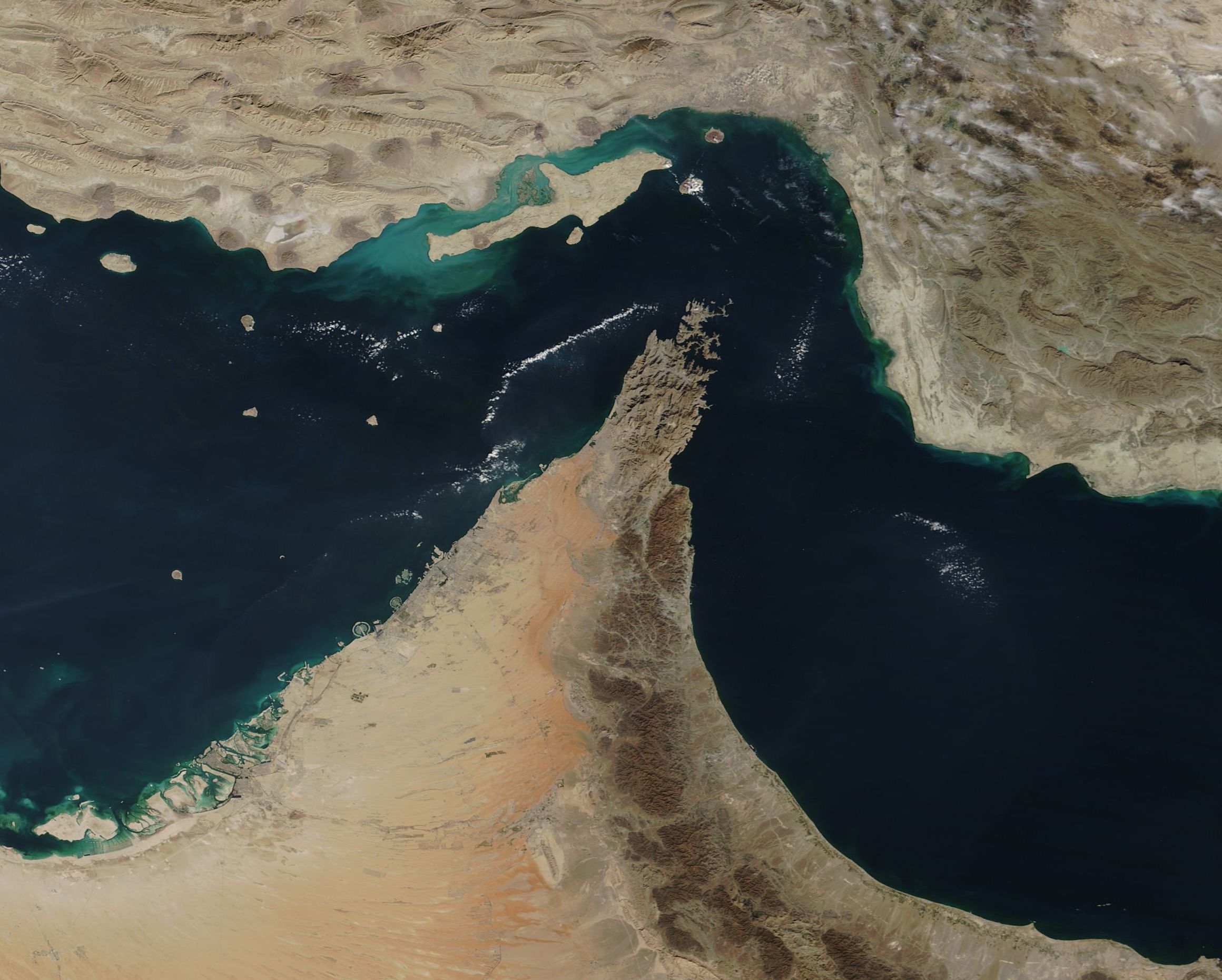
- Hormuz carries ~20% of global oil supply
- Outcome will shape prospects for a broader nuclear framework
The United States and Iran sat down for a new round of nuclear talks on Saturday even as President Donald Trump issued a stark warning: if diplomacy fails, Washington could impose tolls on vessels transiting the Strait of Hormuz, one of the world's most critical oil chokepoints. The dual-track approach — dialogue paired with maximum-pressure threats — reflects the volatile state of US-Iran relations as both sides attempt to navigate a potential deal on Tehran's nuclear programme.
The Strait of Hormuz, a narrow waterway between Iran and Oman, carries roughly 20 per cent of global oil supply, making Trump's threat of tolls a significant economic lever. Analysts noted that even the suggestion of restricting passage through the strait could rattle energy markets, given how dependent major importers — including India, China, Japan and South Korea — are on Gulf crude flowing through that corridor.
The resumed talks come after weeks of on-again, off-again diplomatic signals from both Washington and Tehran. Iran has maintained that it will not surrender its right to enrich uranium, while the US has insisted on strict limits and verification mechanisms. The outcome of this latest round is expected to shape whether a broader framework agreement is possible in the months ahead.
For India, the stakes are immediate and tangible. India is among the largest buyers of Middle Eastern crude, and any military confrontation or prolonged closure of the Hormuz strait would drive up oil import costs, widen the current account deficit, and feed through to higher retail fuel prices. New Delhi will be watching the outcome of these talks closely, even as it maintains its traditional posture of non-alignment on US-Iran tensions.