Key facts
- Iran announced closure of the Strait of Hormuz
- Move cited as retaliation for Israeli attacks on Lebanon
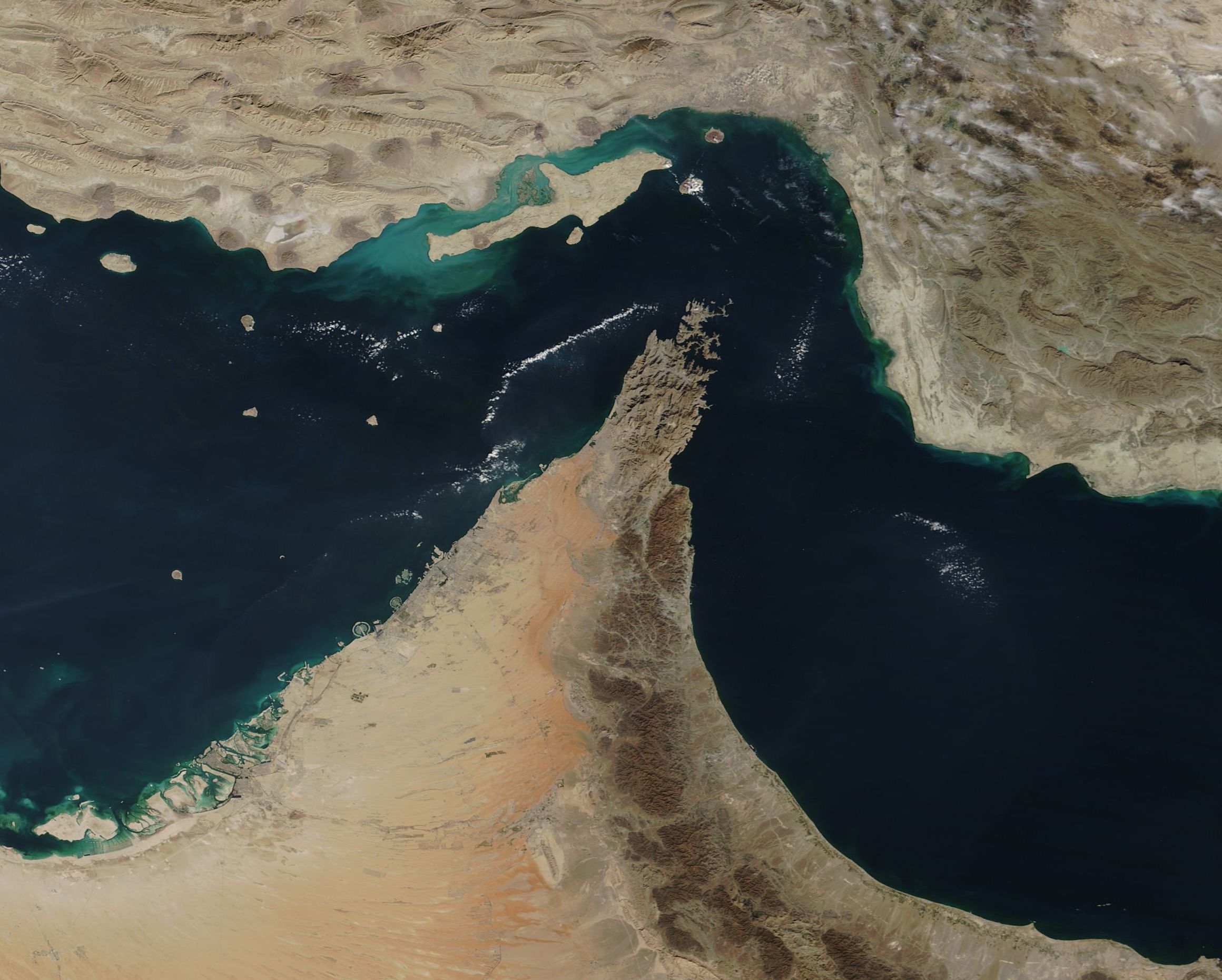
- Roughly 20% of global oil supply transits the Strait daily
- Closure could spike crude oil prices and impact India's energy imports
Iran declared the closure of the Strait of Hormuz on Wednesday, framing the drastic move as retaliation for Israeli military strikes against Lebanon, in a development that sent shockwaves through global energy and security circles.
The Strait of Hormuz is one of the world's most strategically vital chokepoints, with approximately 20 percent of global oil trade passing through its narrow waters daily. A sustained Iranian closure — or even a credible threat of one — has historically been enough to drive crude oil prices sharply higher on international markets. Iran has threatened such action in the past but this marks a rare formal announcement of closure.
The move comes amid an intensifying regional conflict, with Israel conducting military operations in Lebanon targeting Hezbollah, a group backed by Tehran. Iran, which has positioned itself as the patron of resistance forces across the region, appeared to be leveraging its most powerful non-military card in response.
For India, the implications are immediate and serious. India is one of the world's largest oil importers, and a significant portion of its crude supplies — including imports from Gulf producers — transits the Strait of Hormuz. Any prolonged disruption could translate into higher fuel prices at the pump, inflationary pressure, and turbulence for the rupee. New Delhi will be watching developments closely, with energy security and the safety of the large Indian diaspora in Gulf nations both at stake.